For ten days, negotiators will try to reach an agreement on the topics to be debated at COP 31 in November in Antalya.
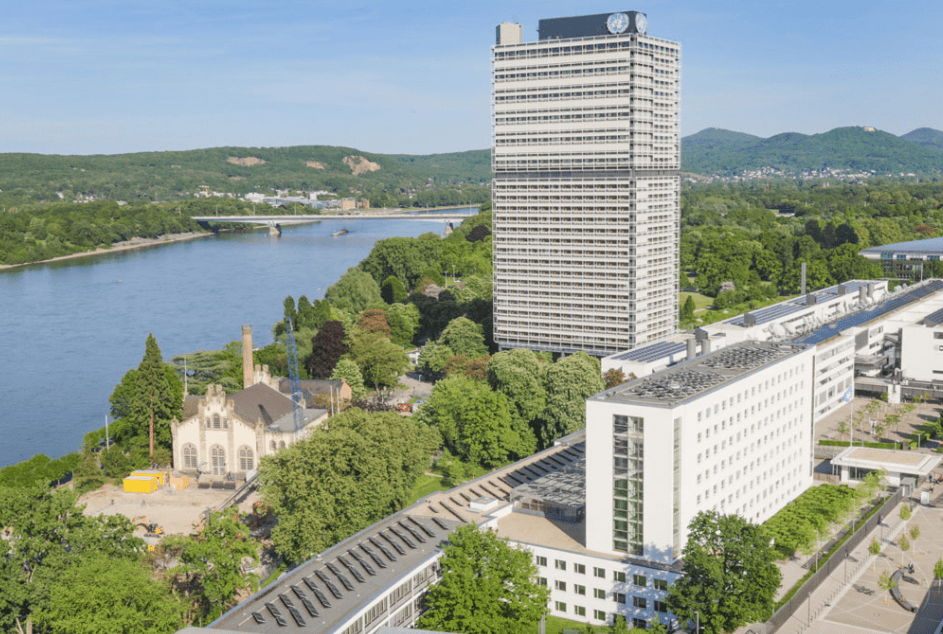
Back to work! As every year at this time, climate negotiators are meeting for ten days of preparatory discussions for the next COP. From June 8 to 18, Bonn, Germany, will host the 64th intersession of the climate convention.
The meeting isn’t all bad news. On May 20, the two COP co-chairs announced that an agreement had been reached.
Australian diplomats, led by Minister for Climate Change and Energy Chris Bowen, will be in charge of the COP 31 negotiations.
Turkey’s Minister of Environment, Urbanization and Climate Change, and designated President of COP 21, Murat Kurum, will outline the main themes of the Antalya climate summit.
Six main themes
Discussions will primarily revolve around six themes: the action agenda, the submission of Nationally Determined Contributions (NDCs), national adaptation plans, the Just Transition Mechanism, access to climate finance for the most vulnerable countries, and the trade-finance nexus.
The action agenda will focus primarily on the electrification of the economy, the circular economy and waste management, sustainable agriculture and food, greening industry, finance, and strengthening the resilience of the most vulnerable regions and ecosystems.
“This will allow us to make progress on issues that have been debated for several years, such as achieving the Dubai targets (tripling renewable electricity production capacity, doubling the rate of energy efficiency improvements), commitments to reduce methane emissions, phasing out fossil fuels, and the quality of NDCs,” a French negotiator noted.
France’s priorities
France, in fact, is pushing forward with several issues, such as reducing methane emissions. “In Glasgow, we committed to reducing our emissions by a third. However, they have increased in recent years,” he observed.
A working basis already exists. Based on satellite imagery, the United Nations Environment Programme published a list of the world’s fifty largest methane emitters in early May. Landfills, oil and gas installations, coal mines—these facilities release, year in and year out, 1.6 million tons of methane: the climate equivalent of about 100 million tons of carbon dioxide. Relatively modest investments could undoubtedly dry up this significant source of greenhouse gases.
Defending the IPCC
Another topic of interest for the French: electrification. As the leading electricity producer in the European Union and an exporter of electricity and nuclear reactors, France wants to capitalize on the success of the Santa Marta conference to put electricity on the agenda in Bonn and Antalya.
Last but not least: defending the IPCC. Originally, the secretariat of the Intergovernmental Panel on Climate Change (IPCC) planned to publish the Seventh Assessment Report (AR7) ahead of the Second Global Inventory, organized within the framework of COP 33 (2028).
The problem: for several months, Saudi, Chinese, and Indian diplomats have been blocking the approval of this timetable. Paris hopes to resolve this issue at the next IPCC meeting in October. « There cannot be any political interference in the work of scientists, » a negotiator declared.